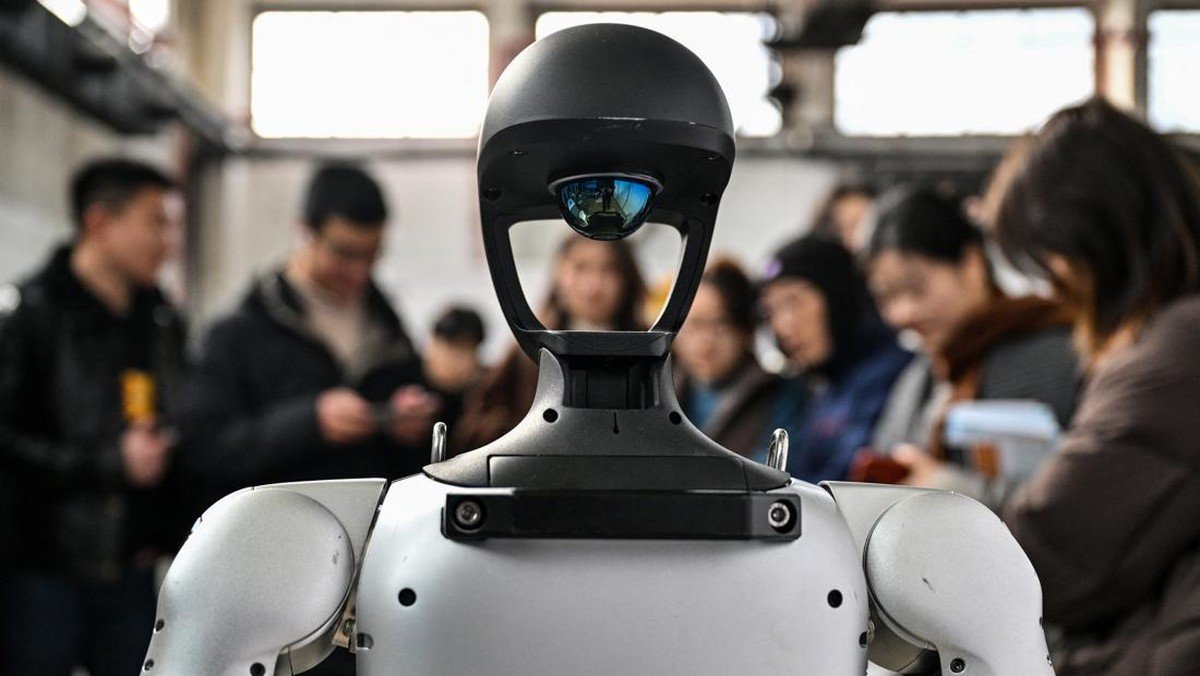
In 2025, robotics technology has reached a transformative stage, reshaping industries, economies, and human life at an unprecedented pace. From autonomous drones and humanoid assistants to industrial cobots and AI-driven surgical systems, robotics has evolved beyond simple automation. The convergence of artificial intelligence, machine learning, quantum computing, and advanced sensor technologies has fueled a new era of intelligent machines that can learn, adapt, and collaborate seamlessly with humans. This article explores the deep impact of robotics in 2025, examining technological advances, economic implications, ethical challenges, and the long-term trajectory of the field.
1. The State of Robotics in 2025
By 2025, robotics has become an integral part of everyday life. The market value of the global robotics industry has exceeded $250 billion, fueled by exponential growth in industrial automation, healthcare robotics, logistics, and personal service robots. In manufacturing, collaborative robots (cobots) now account for over 40% of new robotic installations, designed to work alongside humans safely and efficiently. Meanwhile, the medical sector has witnessed a revolution in robotic-assisted surgeries, rehabilitation robots, and telepresence care units that allow doctors to operate across continents. The democratization of robotics through open-source frameworks and affordable components has empowered startups, researchers, and hobbyists alike to innovate at a scale previously unseen.
2. Artificial Intelligence and Cognitive Robotics
AI-driven robotics represents one of the most significant advancements in 2025. Machine learning models trained on massive datasets now enable robots to understand complex environments, predict human behavior, and make real-time decisions. Cognitive robots equipped with natural language processing can engage in conversation, learn from human interaction, and even exhibit emotional intelligence. These systems are powered by deep reinforcement learning algorithms that allow them to refine their actions through trial and error, similar to the way humans learn. Robotics combined with generative AI also enables robots to design solutions independently, fostering creativity and innovation in fields ranging from architecture to molecular biology.
3. Industrial Automation and Smart Manufacturing
The manufacturing sector has undergone an automation renaissance in 2025. Industry 5.0 emphasizes human-centric collaboration where robots and humans coexist symbiotically. Smart factories powered by IoT sensors, 5G connectivity, and real-time analytics allow robots to operate autonomously while adapting to supply chain fluctuations. Predictive maintenance driven by AI ensures minimal downtime, and 3D-printing robots have made on-demand production a global norm. Robots are no longer limited to repetitive tasks but participate in creative processes such as prototyping, design adjustments, and production optimization. This shift has led to a significant increase in productivity while also requiring a reskilling revolution among the human workforce.
4. Robotics in Healthcare
Healthcare robotics in 2025 plays a critical role in surgical precision, diagnostics, eldercare, and physical therapy. Surgical robots like the Da Vinci X Pro and Medtronic Hugo have become smarter, smaller, and more adaptive, integrating real-time AI guidance for improved outcomes. Rehabilitation robots support patients recovering from strokes or injuries, offering personalized therapy sessions monitored by AI. Meanwhile, care robots assist the elderly with daily tasks, companionship, and health tracking. Telepresence robots enable doctors to perform consultations or even surgeries remotely, bridging geographical barriers and expanding access to quality healthcare globally.
5. Robotics in Logistics and Agriculture
The logistics sector has embraced robotics for efficiency, accuracy, and safety. Autonomous delivery drones, warehouse pickers, and self-driving trucks dominate global logistics networks, ensuring 24/7 operations with minimal human oversight. Robotics in agriculture has also surged, with AI-driven harvesters, soil analysis bots, and drone-based crop monitoring optimizing yield and reducing waste. Farmers use robotic systems that leverage satellite data and predictive analytics to decide irrigation schedules, fertilizer distribution, and pest control dynamically. This combination of robotics and data science has made agriculture more sustainable and resilient to climate change.
6. Humanoid Robots and Personal Companions
Humanoid robots have reached remarkable levels of sophistication in 2025. Companies like Tesla, Boston Dynamics, and SoftBank have unveiled robots that can walk, talk, and perform household tasks naturally. Equipped with facial recognition and conversational AI, humanoid companions serve as assistants for education, elderly care, and entertainment. Emotional AI enables these robots to recognize mood, tone, and gesture, responding empathetically to human emotions. While these advancements blur the line between humans and machines, they also raise philosophical questions about consciousness, ethics, and emotional attachment to artificial beings.
7. Defense, Space, and Disaster Robotics
In defense, robotic systems have become critical assets for reconnaissance, logistics, and combat support. Autonomous drones conduct surveillance missions, while unmanned ground vehicles handle high-risk tasks such as bomb disposal or supply transport. In space exploration, NASA and SpaceX use advanced robots for lunar construction and Mars colonization. Disaster response robotics now enable rapid deployment in earthquakes, floods, and wildfires, where robotic swarms and AI drones assess danger zones and deliver aid with minimal risk to humans.
8. Economic and Social Impacts
The widespread adoption of robotics has brought both prosperity and disruption. Productivity has soared, and global GDP has seen a 7% increase due to automation. However, job displacement remains a key concern, particularly in low-skill sectors. Governments and organizations have launched massive retraining programs focused on STEM education and robotic maintenance. Meanwhile, new professions—robot ethicists, AI trainers, and data governance specialists—are emerging. The integration of robotics into society requires careful policy design to balance innovation, equity, and employment.
9. Ethical and Regulatory Challenges
As robots gain autonomy, ethical considerations become paramount. Issues surrounding privacy, accountability, bias in AI decision-making, and lethal autonomous weapons have sparked intense debate. Policymakers in 2025 are striving to implement international frameworks governing AI and robotics. Transparency in algorithms and clear boundaries for robot rights are now central to technological legislation. Public acceptance also depends on trust, which can only be achieved through responsible design, open communication, and adherence to ethical standards.
10. The Future Outlook of Robotics Beyond 2025
Looking beyond 2025, robotics is poised to redefine the boundaries of human potential. Advances in quantum computing, biohybrid engineering, and soft robotics will enable machines that are faster, more adaptable, and capable of self-repair. Nanorobotics will revolutionize medicine at the cellular level, while space robotics will expand humanity’s reach to other planets. The ultimate vision is a harmonious coexistence between humans and intelligent machines, driven by collaboration rather than competition. The next decade will determine whether robotics becomes humanity’s greatest ally—or its most powerful rival.
Conclusion
In conclusion, the year 2025 represents a milestone in the evolution of robotics. The convergence of AI, big data, and advanced materials has transformed what was once science fiction into everyday reality. Robots are no longer confined to laboratories or factories—they are partners, creators, and companions. As we move forward, the success of robotics will depend on how humanity chooses to guide its development—ethically, inclusively, and intelligently—to ensure a future where technology empowers rather than replaces human potential.

Tinggalkan Balasan